By Kevin Yuers, Vice President of Product Development, Kryton International Inc.
America’s Aging Dams: A Silent Structural Risk
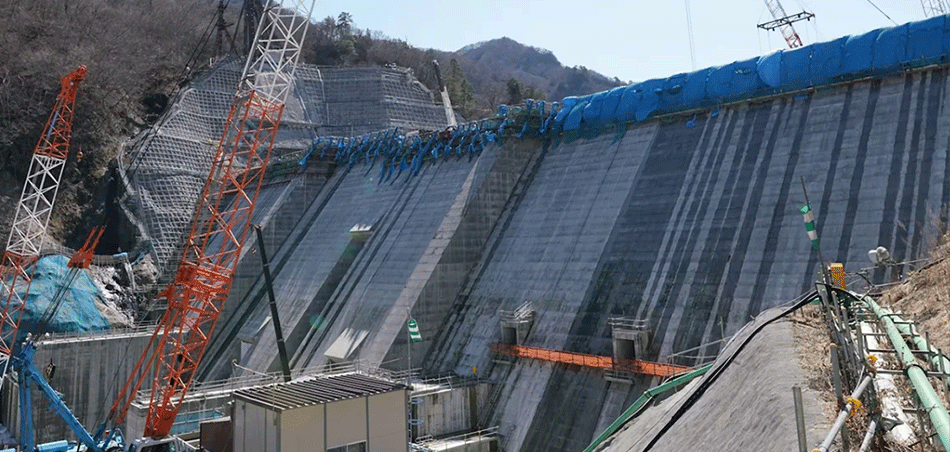
Across the United States, the backbone of hydropower is showing its age.
The average U.S. dam is nearly 80 years old, and the American Society of Civil Engineers has given them a grade of D — a clear warning that these critical structures are nearing the end of their original design life.
Hydropower remains vital, generating 27% of the nation’s renewable electricity and 93% of utility-scale energy storage, but without urgent investment, the industry faces growing safety and reliability concerns.
The good news? There’s momentum for action.
The U.S. Department of Energy has made $3.5 billion in federal funding available to modernize dam infrastructure — a rare opportunity to restore the integrity of aging structures and extend their lifespan for future generations.
The Concrete Challenge: Cracks, Erosion, and Corrosion
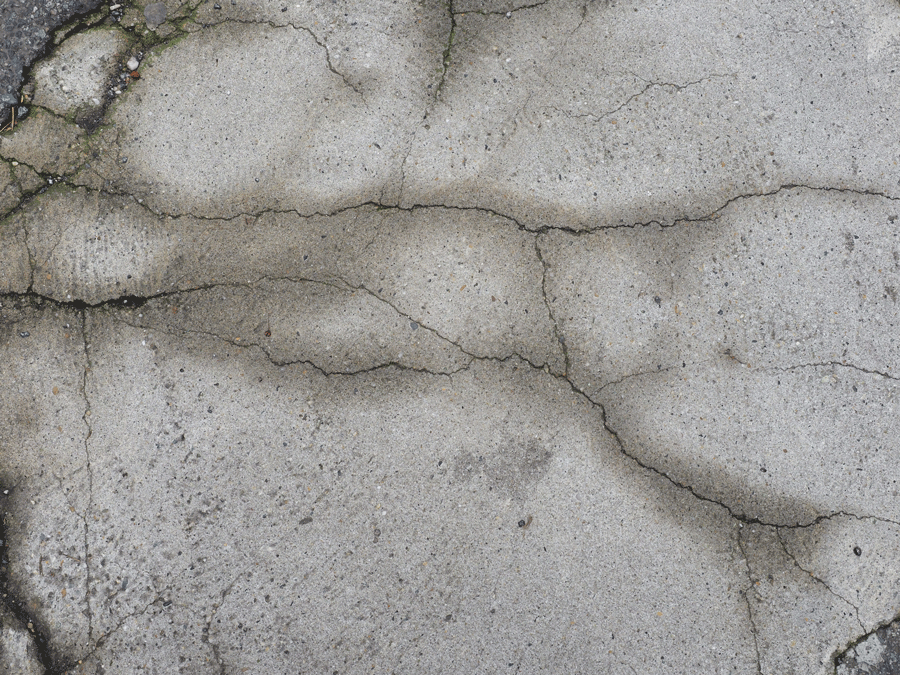
Concrete forms the skeleton of every hydroelectric dam — from the massive spillways and turbine housings to the tunnels and retaining walls. But decades of exposure to hydraulic pressure, sediment, and chemical attack take a toll.
- Microcracks form and widen under pressure.
- Water seepage introduces sulfates and chlorides that corrode rebar.
- High-velocity flows grind away concrete surfaces, accelerating structural wear.
Over time, these stresses lead to spalling, chemical degradation, and loss of strength, forcing utilities into recurring maintenance cycles that cost millions in downtime, coatings, and patch repairs. Unplanned shutdowns can reach hundreds of thousands of dollars per day in lost generation.
A New Approach: Waterproofing and Abrasion Resistance from Within
Modern materials science offers a smarter way forward. Instead of repeatedly repairing the surface, utilities can strengthen the concrete itself — from the inside out.
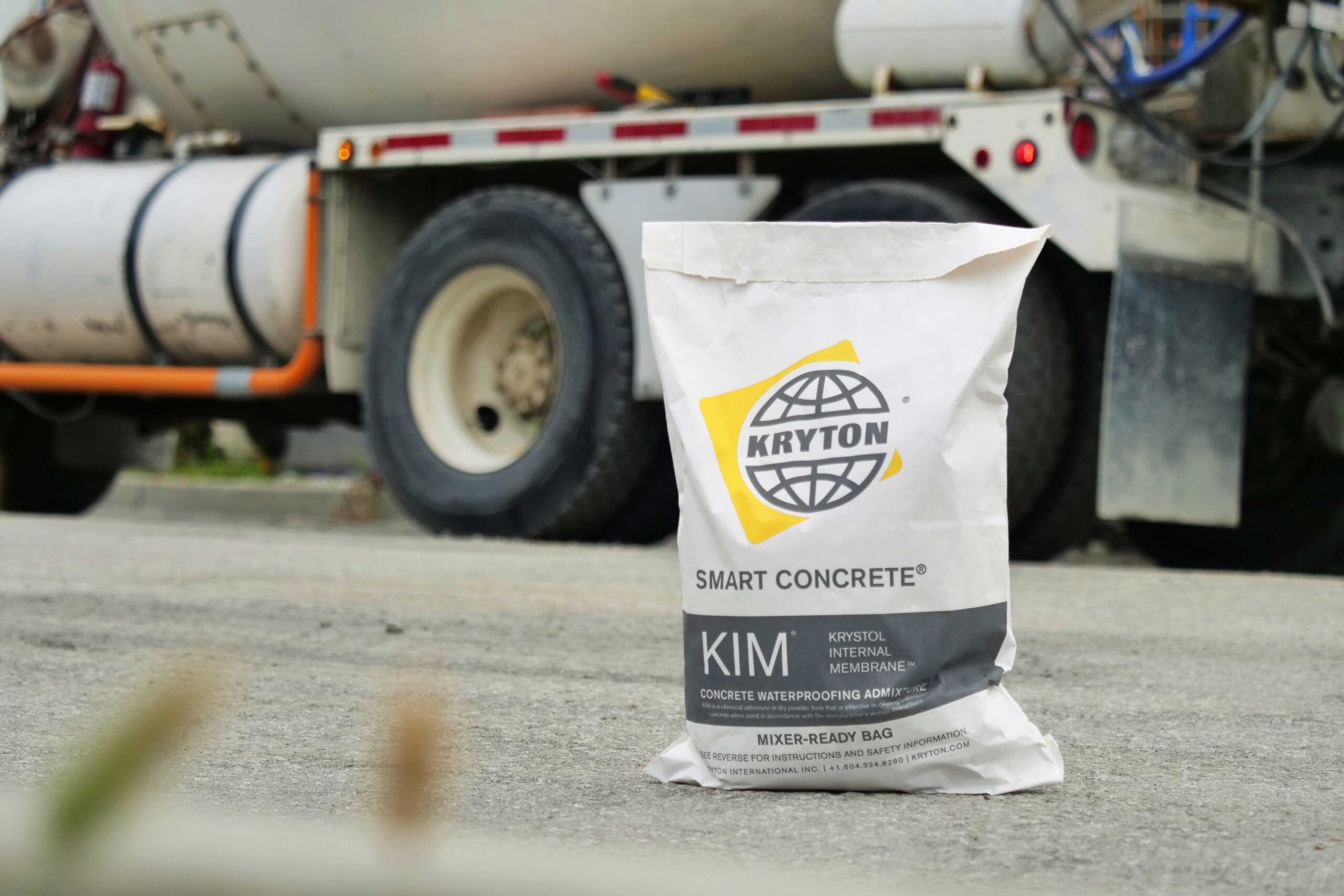
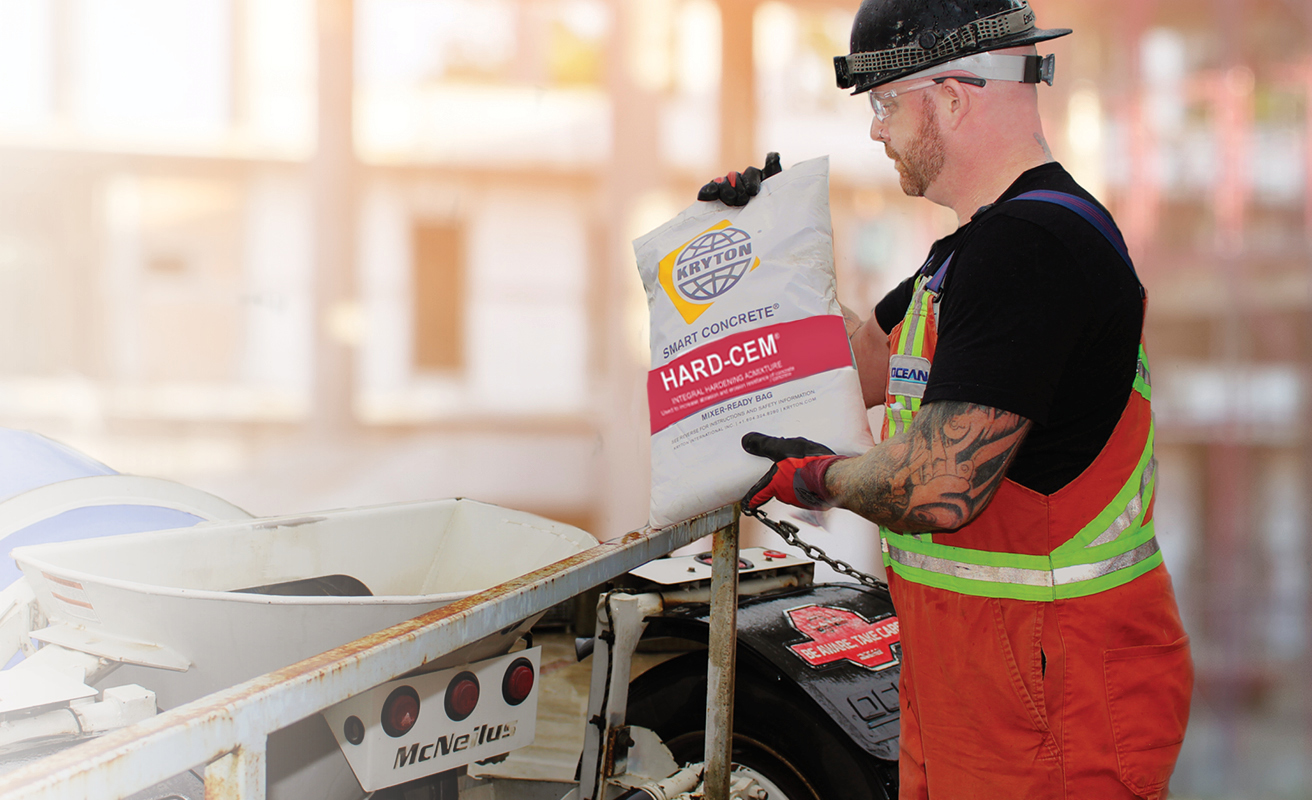
Kryton International has pioneered this approach for over four decades. Its technologies—Krystol Internal Membrane (KIM®) and Hard-Cem®—work together to create concrete that resists both water infiltration and abrasion, ensuring durability under even the harshest hydraulic conditions.
Krystol Internal Membrane (KIM®) acts like an immune system for concrete.
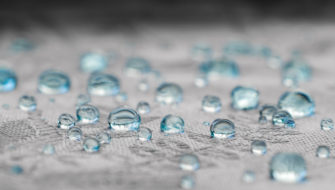
When mixed directly into the concrete, KIM chemically reacts with water and unhydrated cement to form insoluble crystals that fill pores and microcracks. These crystals block water entry, preventing corrosion and leaching. If cracks form later, KIM reactivates upon contact with water, self-sealing the structure for life.
Hard-Cem®, meanwhile, strengthens the surface by increasing hardness and abrasion resistance, protecting against erosion from sediment-laden flows that would otherwise wear down concrete surfaces and expose reinforcement steel.
Together, these admixtures create a comprehensive protection system:
- Waterproofing from within to prevent seepage and corrosion
- Surface hardening to resist physical erosion and abrasion
- Proven performance in extreme hydroelectric environments worldwide
Durable Concrete Is Sustainable Concrete
Every repair or replacement project comes with an environmental cost. Cement production is responsible for roughly 8% of global CO₂ emissions, making durability a powerful lever for sustainability.
By extending the lifespan of dam structures, permeability-reducing and abrasion-resistant admixtures reduce the need for future concrete production — and with it, the associated carbon footprint.
Fewer repairs mean less downtime, less material waste, and less energy use over the life of the asset.
Making Federal Dollars Go Further
Federal funding for dam rehabilitation requires solutions that perform under intense hydraulic pressure, chemical exposure, and mechanical wear. Kryton’s integral admixtures directly address these requirements, providing measurable performance improvements while reducing long-term maintenance costs.
By choosing materials that strengthen concrete from within, dam operators not only qualify for funding but maximize the return on every federal dollar—extending infrastructure life, improving reliability, and reducing risk.
Building the Future of Hydropower
The nation’s hydropower network is too important to fail—and too valuable to neglect.
As utilities move to modernize aging dams, adopting advanced admixture technologies ensures that the next generation of infrastructure is stronger, more sustainable, and built to last.
Durable concrete isn’t just good engineering.
It’s smart investment and sustainable infrastructure for the future of energy.
About the Author:
Kevin Yuers is Vice President of Product Development at Kryton International Inc., a global leader in Smart Concrete® solutions for waterproofing and durability. Kryton has been pioneering integral crystalline waterproofing and surface hardening technologies since 1973.